Wine has a remarkable number of rules for something that is supposed to be fun.
Rule #1: White wine is for summer.
Rule #2: Red wine belongs at room temperature.
Rule #3: Better wine costs more.
Rule #4: Stick with grapes you recognize.
Rule #5: Bring something familiar to dinner.
Rule #6: If a bottle is really special, save it.
The problem is that some of those rules are outdated, some are oversimplified, and some are keeping perfectly good bottles corked while dinners happen without them. As we head into the season of football Sundays, Thanksgiving tables, holiday parties and dinners that stretch long past dessert, here are our responses to those rules:
1: Stop Treating White Wine Like a Summer-Only Drink
Somewhere along the way, white wine became synonymous with patios, seafood and 90-degree afternoons. But once you stop thinking of “white wine” as a single category, some of the best cold-weather pairings open up.
For football season, Charles and Blossom Fury Riesling 2024 is exactly the kind of white I want around when the wings come out. Riesling’s bright acidity and fruit make it a natural foil for heat. Where a highly alcoholic or tannic wine can amplify the burn of Buffalo sauce, Riesling refreshes the palate between bites. It’s the bottle for wings, buffalo chicken dip, jalapeño poppers, and all the other foods that somehow become acceptable as dinner once a football game is on.
At the other end of the spectrum is Belargus Ronceray Anjou Chenin Blanc 2018, proof that white wine can be every bit as serious and substantial as the reds we instinctively reach for once winter arrives. This organic Chenin Blanc comes from Rochefort-sur-Loire in Anjou, grown on schist and sandstone soils. The wine earned 94 points from Robert Parker Wine Advocate, which described an intensely concentrated wine built around ripe stone fruit, lemony freshness, and a precise, slate-like mineral character.
Chenin Blanc’s naturally vibrant acidity is part of what makes it so useful at the holiday table. Here, all that concentration and lush fruit is held together by freshness and minerality, giving you a white with enough substance for turkey, roast pork, squash, creamy potatoes and the richer foods we start craving when the temperature drops.
White wine season, it turns out, does not end when the beach chairs go away.
2: Stop Serving Every Red at Room Temperature
“Serve red wine at room temperature” is one of those pieces of advice that has outlived the rooms it originally described. Historically, room temperature meant something considerably cooler than many of our heated modern homes. For lighter reds, a slight chill can sharpen the fruit, brighten the acidity and make the entire wine feel more energetic.
Domaine du Pavillon de Chavannes Côte de Brouilly makes the case almost by itself. The estate has grown vines on Mont Brouilly since 1861, and this organic Gamay comes from Côte de Brouilly, one of Beaujolais’ smallest cru appellations. It earned 93 points, with notes of raspberry, boysenberry, spice, and flowers alongside a distinctly savory character. Even the producer recommends serving it slightly chilled.
Beaujolais also has a particularly nice connection to Thanksgiving. Beaujolais Nouveau celebrates the first young wine of the new vintage and is released every year on the third Thursday of November, just before Thanksgiving. But you don’t have to drink Nouveau to take advantage of Gamay’s affinity for the holiday. Cru Beaujolais like this has bright acidity, modest tannin, and juicy red fruit, which allows it to move remarkably well between turkey, stuffing, cranberry sauce, and the approximately 17 other flavors occupying the average Thanksgiving plate.
Then there is Stolpman Vineyards “Love You Bunches” Sangiovese 2023, a fun reminder that chilling red wine isn’t exclusively a Beaujolais trick. Made entirely from Sangiovese, it earned 91 points from Wine Enthusiast and leans into peppery raspberry and darker mulberry aromas, followed by cranberry, red currant, and herbs on the palate. It is specifically recommended lightly chilled.
Most people know Sangiovese as the grape behind Chianti, so drinking a bright California version with a slight chill can completely rearrange what you think the grape is supposed to be. It’s fresh enough for lighter food but has enough savory character to work all the way through smoky barbecue.
The refrigerator is not the enemy of red wine. Sometimes it’s the finishing touch.
3: Stop Assuming Expensive Automatically Means Better
There are plenty of expensive wines worth every penny. But price can also reflect famous geography, scarcity, and demand, and some of the most fun you can have shopping for wine is looking just beyond the places everybody already knows.
If you love Sancerre, look at Austria. Tement “Kalk & Kreide” Sauvignon Blanc is organic Sauvignon Blanc from Südsteiermark and earned 92 points from Robert Parker Wine Advocate. Its profile gives a Sancerre drinker plenty to recognize: an intense grassy and stony bouquet, concentrated fruit, lemon, crushed salt, and a vibrantly fresh finish. It isn’t trying to imitate Sancerre, and that’s the point. It shows what the same grape can do in another serious terroir without asking you to pay for the Sancerre name.
Cabernet drinkers can play the same game outside Napa with Mendel Cabernet Sauvignon 2021 from Luján de Cuyo in Mendoza. The vineyard was planted in 1996 at approximately 1,000 meters above sea level in highly permeable, stony alluvial soils. The grapes are hand-harvested and the wine spends 12 months in French oak. The result, which earned 93 points, delivers cassis alongside vanilla and caramel, with the structure to stand up to braised short ribs and other winter dishes. It is unmistakably Cabernet, just through an Argentine lens.
And Chardonnay drinkers should look considerably farther south than Burgundy. Kumeu River “Kumeu Village” Chardonnay 2025 comes from New Zealand, using sustainably grown, hand-harvested fruit from Kumeu and Hawke’s Bay. Made by Master of Wine Michael Brajkovich, it is fermented with local wild yeasts and given extended maturation on its lees, building texture and complexity into the wine.
None of these bottles is a bargain-bin substitute for the “real thing.” That would miss the point entirely. They are serious wines from serious producers that happen to remind us that prestigious appellations do not have a monopoly on excellent Sauvignon Blanc, Cabernet Sauvignon, or Chardonnay.
4: Stop Being Afraid of Grapes You Don’t Recognize
There are thousands of wine-grape varieties in the world. If you only buy the names you already recognize, you are leaving an enormous amount of wine unexplored.
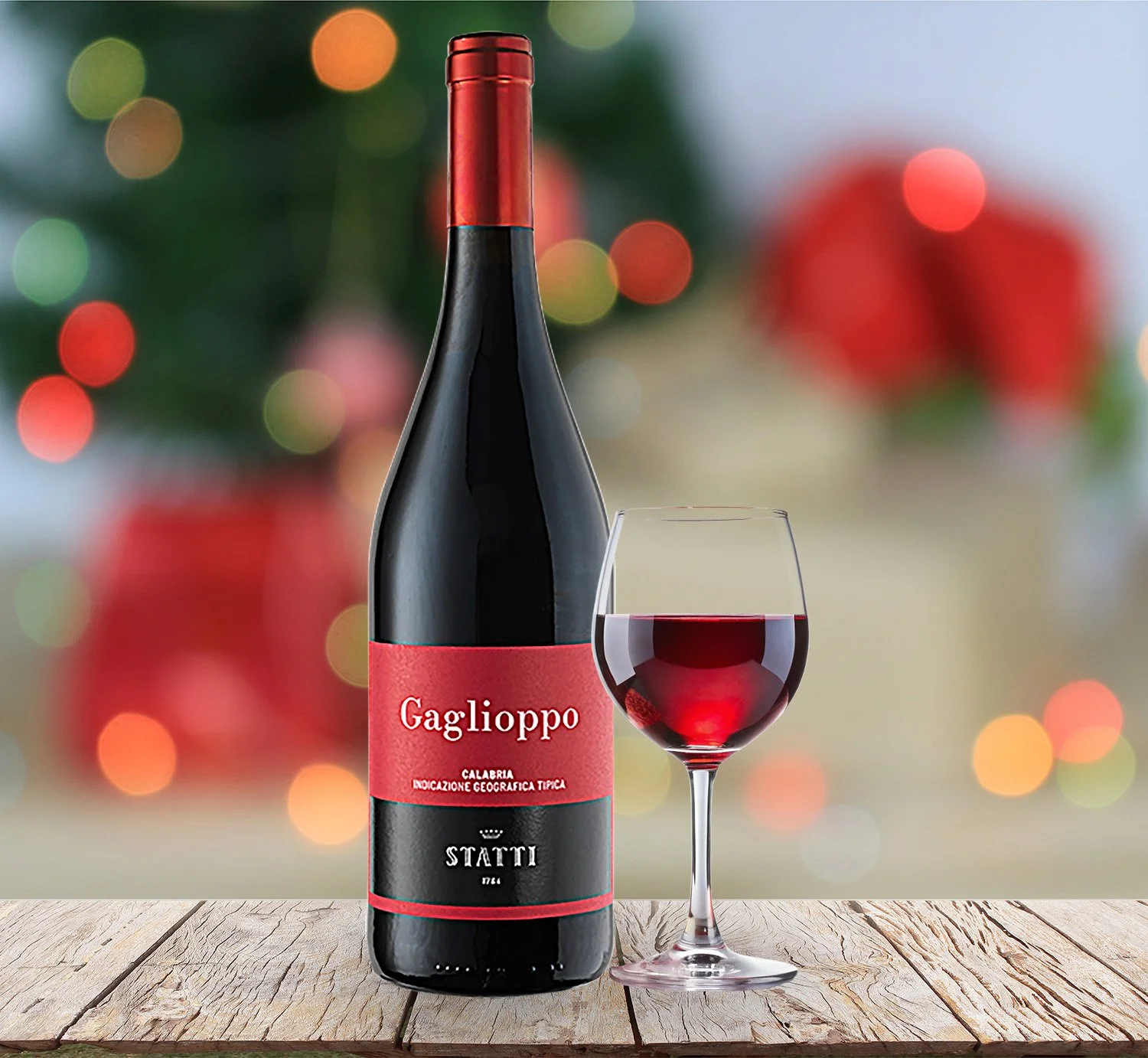
Start in Calabria with Vigneti Vumbaca Cirò Rosso, made entirely from Gaglioppo. The organically farmed, bush-trained vines are roughly 47 years old, growing in clay soils about 110 meters above sea level. After approximately six days of maceration, the wine spends 13 to 15 months in stainless steel rather than oak, leaving the grape itself front and center.
Expect plum and cherry fruit, freshness, fine tannins and surprising power. The shelf description compares it to a “baby Barolo,” and while Gaglioppo and Nebbiolo are certainly not interchangeable, the comparison gives unfamiliar drinkers a useful reference point: fragrant fruit, structure and tannin without relying on heavy oak or sheer ripeness.
Then head to northern Greece for Kir-Yianni Assyrtiko “The North” 2025. Assyrtiko is most famously associated with the southern Greek islands, particularly Santorini, but here it is grown at high altitude in a much cooler northern climate. The result earned 92 points from Wine Advocate and shows a more restrained side of the variety, with freshness, aromatic refinement, and the mineral character that makes Assyrtiko so compelling.
Finally, there is Baglio Ingardia “Ribelle” Bianco Frizzante, an organic Sicilian frizzante made from Zibibbo. The unfamiliar name has a fun reveal: Zibibbo is the Sicilian name for Muscat of Alexandria, an ancient aromatic grape with a particularly long history on the island of Pantelleria. Ribelle is lightly sparkling, fruity, and floral, giving you an entirely different reward for taking a chance on an unfamiliar name.
Three unfamiliar grapes, three completely different wines: a structured Calabrian red, a mineral Greek white and a floral Sicilian sparkler. The hardest part is getting past the name on the label.
5: Stop Bringing a Boring Bottle to Holiday Dinner
There is nothing wrong with bringing the safe bottle everyone recognizes. But the holidays are also one of the rare times when you have a captive audience around a table and an excuse to make opening the bottle part of the entertainment.
Cantina della Pioppa Lambrusco di Modena Frizzante Secco is a particularly good way to start. Forget the old stereotype that Lambrusco necessarily means sweet red fizz. This is an organic, dry, semi-sparkling red from Modena. Served cold, it gives you bright red fruit, bubbles and enough freshness to cut through rich holiday food. It’s festive without being predictable and particularly useful when you need one bottle to survive charcuterie, cheese, salty appetizers, and whatever else appears before dinner.
For Thanksgiving itself, PSI Ribera del Duero 2023 gives you a more substantial red without overwhelming the meal. Predominantly Tempranillo with a small amount of Garnacha, it is medium-bodied and perfumed, with fine tannins, very good freshness, orange peel, and aromatic herbs alongside its fruit. Only a portion of the wine is matured in barrel, helping preserve that freshness rather than burying the wine beneath oak.
That combination is exactly what makes it useful at Thanksgiving. Turkey is relatively delicate, while stuffing, gravy, herbs, cranberry sauce and roasted vegetables pull the meal in several directions at once. PSI has enough structure to feel like a proper holiday red but enough freshness and aromatic lift to move around the entire table.
And when everyone starts arriving with dessert, consider bringing Royal Tokaji 2018 Aszú 5 Puttonyos instead.
Tokaji Aszú comes from northeastern Hungary and is one of the great historic sweet wines of the world. The wine is made using intensely concentrated Aszú berries affected by noble rot, Botrytis cinerea, which shrivels the grapes and concentrates their sugar, acidity and flavor. “Puttonyos” historically referred to the amount of Aszú berries added during production; today, 5 Puttonyos signals a richly sweet style with substantial residual sugar.
The crucial part is the acidity. Great Tokaji isn’t simply sugary. That sweetness is pulled against intense natural acidity, creating a wine that can be lush, honeyed and concentrated while remaining startlingly alive. It is wonderful with fruit-based desserts, rich cheeses, or simply poured in small glasses at the end of dinner.
Everyone brings pie.
Nobody brings the wine for the pie.
6: Stop Saving the Special Bottle
This may be the wine rule I’m most interested in breaking.
Wine people are extraordinarily good at saving things. We buy a beautiful bottle and decide it deserves an occasion. Then Thanksgiving happens. Christmas happens. Birthdays happen. Friends come to dinner. We keep waiting for some future evening important enough to justify opening it.
And special does not have to mean one particular style of wine.
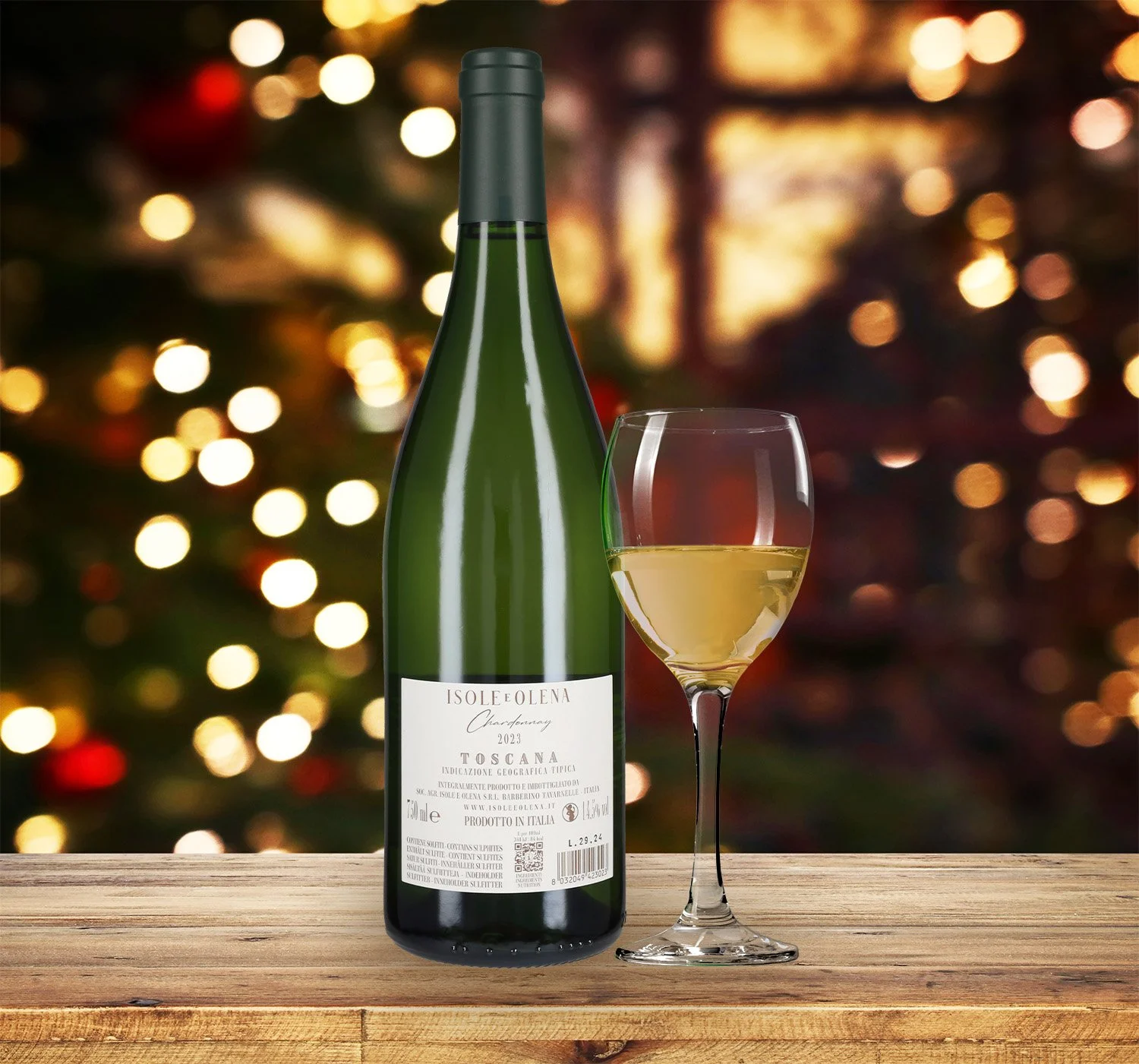
Isole e Olena Chardonnay 2023 is the white-wine version: a serious Tuscan Chardonnay from an estate much better known by many drinkers for its reds. It is exactly the kind of bottle that challenges the instinct to reserve “important wine” status for red Burgundy, Barolo or Cabernet. A beautifully made Chardonnay can be the bottle around which you build dinner rather than the thing you pour while waiting for the red.
At the opposite end of the spectrum is Lail Vineyards J. Daniel Cuvée 2023 from Napa Valley. This is unapologetically a special-occasion Cabernet, the sort of bottle whose reputation and presentation practically encourage you to put it somewhere safe and wait. But that instinct can become a trap. Cabernet is still wine. It was grown, fermented and bottled with the expectation that someone would eventually pull the cork.
And then there is Roederer Estate L’Ermitage Brut Rosé 2012, vintage rosé sparkling wine from Anderson Valley. The 2012 vintage has had years to develop beyond simple fresh fruit, allowing the kind of mature, savory, and toasty complexity that makes aged sparkling wine so compelling. It also makes the bottle feel precious, exactly the kind of thing that gets assigned to some future New Year’s Eve rather than an ordinary dinner with people you love.
But sparkling wine does not need New Year’s Eve. Cabernet does not need an anniversary. The bottle you’ve been saving does not need a better version of your life in order to deserve being opened.
Good wine can elevate an occasion, but sometimes opening the good wine creates the occasion.
So, this holiday season, chill the red. Order the grape you can’t pronounce. Bring wine for dessert. Open the bottle you’ve been saving.
The rules will survive.
And dinner may be considerably better without them.