It’s Not Just About Pinot Noir Anymore
By Kathleen Todaro
As summer begins, it’s worth remembering that Oregon wine is often reduced to a simpler story than it deserves. For many drinkers, the conversation still begins and ends with Pinot Noir. That reputation is justified, but it is no longer sufficient.
What defines Oregon today is not just what it does well, but how deliberately it continues to evolve.
The Foundation: Legacy & Precision
Oregon’s modern wine story is relatively young, with serious production only taking hold in the 1960s. That compressed timeline matters. Without centuries of fixed tradition, the region developed with a clarity of purpose: restraint, site expression, and an unusual emphasis on farming from the outset.
Pinot Noir remains the clearest expression of that philosophy. The Willamette Valley, shaped by a cool climate and long growing season, produces wines that favor detail over weight and structure over scale.
That identity was validated early, when established Burgundian producers recognized the region’s potential and invested in it directly.
TRY: Domaine Drouhin Oregon Pinot Noir. Red cherry, spice, and a fine mineral thread, with a structure that feels both polished and restrained.
Pairing: Herb-roasted chicken, duck, or grilled mushrooms after a long beach day.
Wine fact: It’s one of the earliest old-world investments in Oregon, reinforcing its credibility as a world-class Pinot Noir region. From there, Oregon Pinot Noir has expanded into a range of expressions, unified less by style than by approach.
TRY: Bergström Wines Cumberland Reserve Pinot Noir 2022. Red cherry, raspberry, rose petal, and forest floor, with a long, composed finish.
Pairing: Grilled duck, lamb chops, or a simple steak.
Wine fact: Biodynamic farming emphasizes soil vitality and site transparency.
TRY: Ayres Vineyard Willamette Valley Pinot Noir 2023. Cranberry, red currant, and a subtle savory edge, with a lighter, lifted profile.
Pairing: Cedar-planked salmon or roast chicken.
Wine fact: Minimal intervention allows vineyard character to lead.
TRY: Ponzi Vineyards Tavola Pinot Noir 2022. Bright red fruit, soft spice, and an approachable finish.
Pairing: Grilled salmon, burgers, or casual seaside fare.
Wine fact: Ponzi helped define Oregon’s early identity with accessible, balanced wines.
TRY: Nicolas-Jay Pinot Noir 2023. Black cherry, plum, and fine tannins, with a polished but restrained profile.
Pairing: Duck, lamb, or mushroom risotto.
Wine fact: A collaboration between Jean-Nicolas Méo and music entrepreneur Jay Boberg, linking Burgundy and Oregon. Alongside Pinot Noir, Pinot Gris has played a quieter but foundational role.
TRY: The Eyrie Vineyards Pinot Gris. Stone fruit, melon, and a subtle savory edge, with texture balanced by clean acidity.
Pairing: Lobster rolls, grilled shrimp, or halibut.
Wine fact: David Lett planted the first Pinot Gris in the U.S. at the Eyrie Vineyards in 1965. What connects these wines is not simply grape or climate, but a shared philosophy. Oregon has long been a leader in environmentally driven farming, with certification programs like LIVE and widespread adoption of sustainable practices shaping the industry. Here, farming is not branding, it is baseline!
The Expansion: New Varieties, Same Intent
If Oregon’s first chapter established its identity, the current one is about testing its limits. The shift is not driven by novelty, but by adaptation – both to climate and to a more precise understanding of site.
Chardonnay’s rise reflects that shift. It is not replacing Pinot Noir but complementing it by offering a grape that can maintain structure as conditions evolve. Earlier harvesting and restrained oak are not stylistic trends so much as structural decisions.
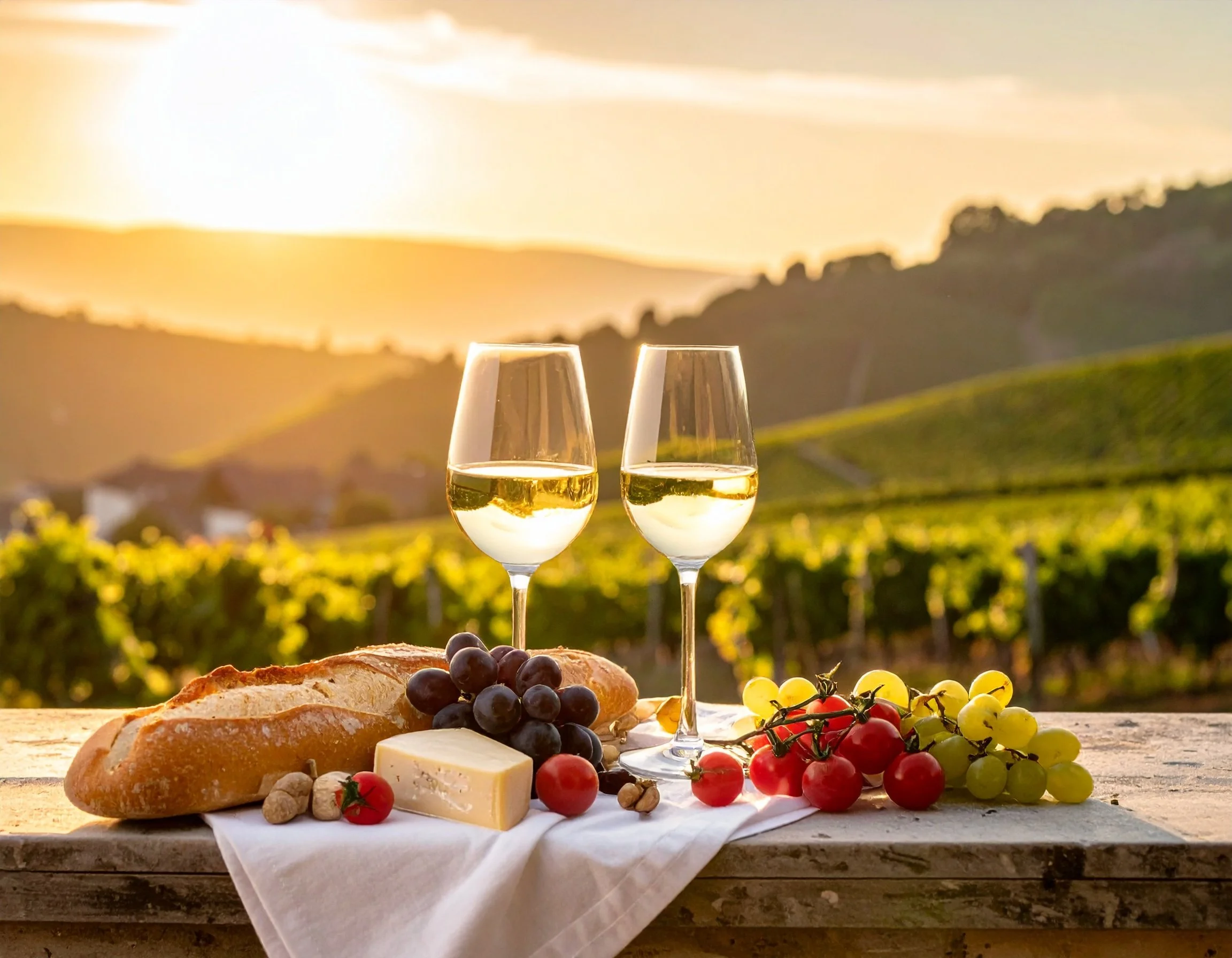
TRY: Big Table Farm “Wild Bee” Chardonnay. Citrus oil, orchard fruit, and a faint saline note, with a precise, layered palate.
Pairing: Seared scallops, grilled branzino, or herb-roasted chicken.
Wine fact: A multi-vineyard blend focused on balance and site rather than winemaking signature. That same producer offers a different perspective on Oregon’s evolution.
TRY: Big Table Farm “Laughing Pig” Rosé (Pinot Noir-based). Wild strawberry, watermelon, and a subtle herbal edge, with a dry, structured finish.
Pairing: Tuna crudo, shrimp, or simply as an aperitif near the water.
Wine fact: Increasingly, Oregon rosé is farmed and produced with the same care as red wines, rather than treated as a secondary product. Gamay illustrates another shift. In its traditional home, it is often made for immediacy. In Oregon, it is being reexamined. With lower yields and careful farming, it develops structure without losing brightness.
TRY: Brick House Gamay Noir. Red berries, violets, and subtle earth, with more depth than expected.
Pairing: Charcuterie, grilled tuna, or slightly chilled on a warm afternoon.
Wine fact: Biodynamic farming encourages balance in the vineyard, translating directly into complexity. More revealing, however, are wines that move beyond varietal boundaries altogether.
TRY: Marin Estate “Dark Wave” 2023 (Gamay/Pinot Noir). Raspberry and cranberry lifted by Gamay, grounded by darker fruit and structure from Pinot Noir.
Pairing: Grilled pork, duck tacos, or seared tuna.
Wine fact: Blending these grapes reflects a shift toward site-driven wines rather than rigid varietal identity. Grüner Veltliner’s success is equally telling. It has no historical roots in Oregon, yet it thrives because its structural needs align with the region’s climate: high acidity, precision, and restraint.
TRY: Division Winemaking Company Grüner Veltliner. Green apple, citrus, and white pepper, with a lean, energetic profile.
Pairing: Oysters, crudo, or a chilled seafood tower.
Wine fact: Its success reflects a growing focus on climate-appropriate varieties rather than inherited ones. Orange wine offers perhaps the clearest example of this evolving mindset. Made by fermenting white grapes on their skins, it introduces tannin and structure more commonly associated with red wine. In Oregon, this is less about revivalism and more about an extension of the region’s emphasis on minimal intervention and texture.
TRY: Day Wines Vin de Days L’Orange. Citrus peel, honeysuckle, and herbal notes layered over a light tannic grip.
Pairing: Spiced seafood, Mediterranean dishes, or anything with a bit of heat.
Wine fact: Typically fermented on skins for extended periods, often from sustainably farmed vineyards, reflecting Oregon’s overlap with the natural wine movement. Even within familiar families, reassessment continues.
TRY: Elk Cove Vineyards Pinot Blanc. Pear, apple skin, and a light floral note, with a clean, mineral finish.
Pairing: Dungeness crab, summer salads, or grilled white fish.
Wine fact: Pinot Blanc’s subtlety aligns naturally with Oregon’s emphasis on restraint.
Further south, the question changes entirely. In warmer regions like the Rogue and Umpqua valleys, success is not about ripening grapes, but preserving balance.
TRY: Abacela Albariño. Stone fruit, citrus, and a saline edge, with a clean, focused structure.
Pairing: Clams, shrimp, or anything off a backyard grill near the water.
Wine fact: Diurnal temperature shifts help retain acidity, even in warmer climates.
Oregon today is less defined by a single grape than by a consistent set of decisions about farming, restraint, and long-term viability. For a region still relatively young, that clarity is striking. May is an invitation to revisit it, not just for what it has established, but for how thoughtfully it continues to change.