A Sustainable Future: We All Have a Role
By Lenore Tedesco, Executive Director, The Wetlands Institute
Sustainability focuses on meeting the needs of the present without compromising the ability of future generations to meet their needs.
Island communities by their very nature have limited resources, and in a rapidly changing world, the stresses on natural resources and island infrastructure are becoming ever more apparent and acute. Seven Mile Beach is extremely susceptible to the whims of the sea and storms. The very things that we all love about Seven Mile Beach and our island communities place significant limits on the ability of these communities to remain sustainable into the future.
The boroughs of Avalon and Stone Harbor have taken several steps that help move toward sustainability by adopting and promoting practices that strengthen the island communities. There is a lot more to do, and it’s important that we all find ways of contributing to the care of the island we love.
At The Wetlands Institute, we have been planning and implementing several projects to help improve our resilience so we too can carry our mission forward to generations to come. Over the next year, I will share our journey toward sustainability in the hope that it can help educate our community and also provide concrete steps that you can take to become part of the solution. In this article, I will focus on water management at the individual lot level and the importance of the use of native plants.
One significant problem for our sustainability is managing flooding and protecting the freshwater supply. The freshwater supply on barrier islands is especially vulnerable to rising seas. Low-lying island streets flood with saltwater dozens of times each year, even on sunny days, the result of rising seas. Storm intensity and frequency have measurably increased, bringing saltwater flooding as well as flooding by rainwater. Rainfall has increased, with precipitation already 10% higher than in 2000 in New Jersey. I am sure you have noticed that this increased rainfall is also coming in intense downpours. The Northeast has seen a more than 55% increase in intense rainfall events. Heavy rainfall events contribute to street flooding that impacts the economic sustainability of the island as well as its livability. Fortunately, there are many steps that individual property owners can take that can contribute to the management of rain-induced floodwaters.
Consider the fate of a drop of rain on a typical island lot. Rain falling on permeable surfaces – that is, surfaces that can absorb water – allows the water to soak into the ground. Freshwater soaking into the ground is the best place for rainfall to go. This ground-soaking water builds an underground lens that keeps salt water from invading and recharges the freshwater that is under our feet. It is used by trees and landscaping, reducing the need for irrigation. Impermeable surfaces, in contrast, cause water to run off properties into streets and ultimately to the storm drain network for discharge to the ocean. Most island properties are dominated by impermeable surfaces that include roofs, decking, driveways, and even turf grass. As the proportion of a building lot gets converted to a higher percentage of impermeable surface, runoff increases dramatically. A building lot that has natural land cover will absorb or evaporate back to the atmosphere 90% of the rain falling on it. A fully built-out lot dominated by impervious cover can have more than 55% of rainfall running off the lot. Stormwater pipe networks are overwhelmed, streets flood, and the precious freshwater is diverted from recharging the ground to discharge points in the bay. During high tides and storm tides that can accompany intense rainfall events, elevated water levels in the bay prevent the gravity feed of the storm drain network from functioning, further exacerbating the flooding problems.
Both Avalon and Stone Harbor have begun to rebuild and enlarge stormwater infrastructure and even construct extremely expensive pump stations to address flooding issues. These flooding issues are projected to continue to intensify under all sea level rise scenarios and projections of continuing climate changes. The good news is that there are numerous things that property owners can do to help reduce the runoff coming from their properties. Some measures have already been coming through building and lot ordinances, but so much can be achieved voluntarily. It will take a thousand solutions to move the Seven Mile Beach communities toward sustainability. Everyone needs to pitch in to get there.
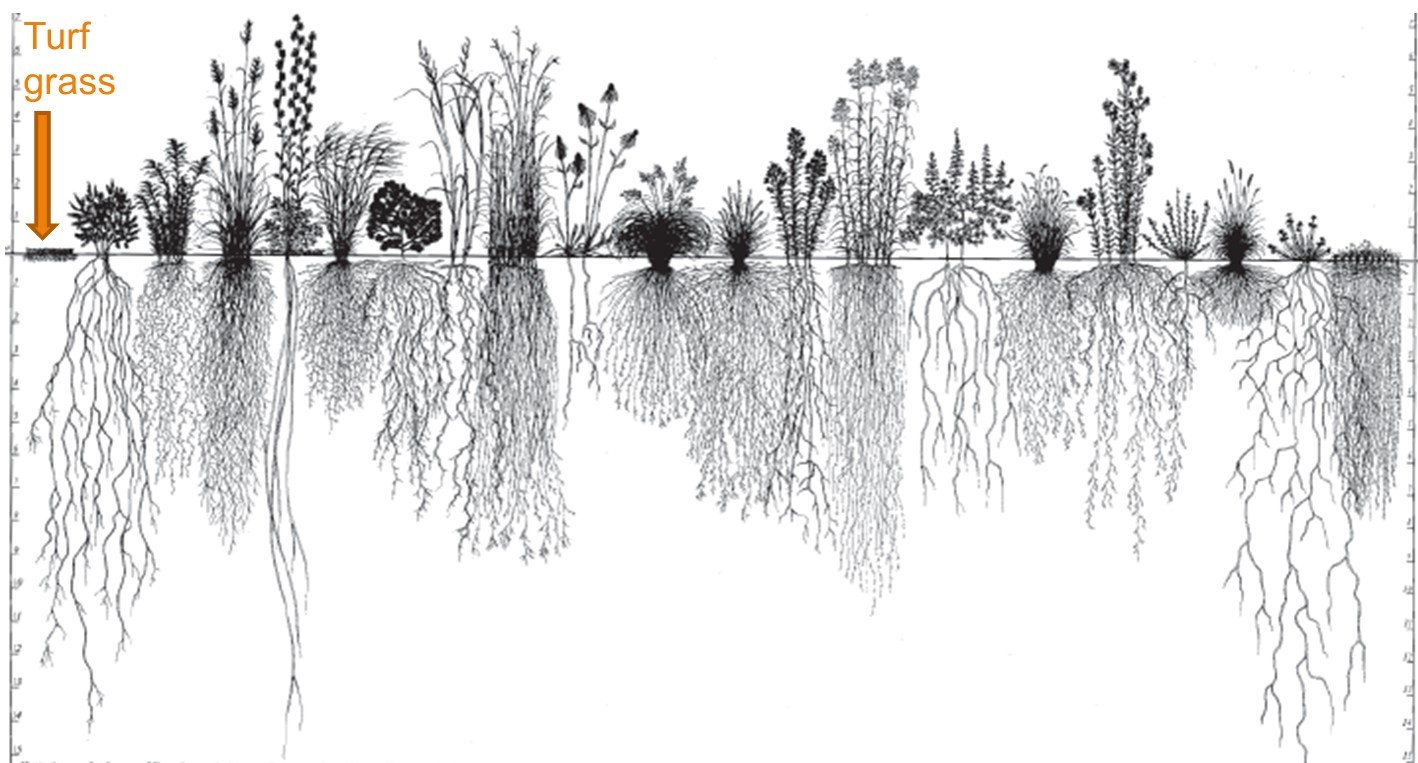
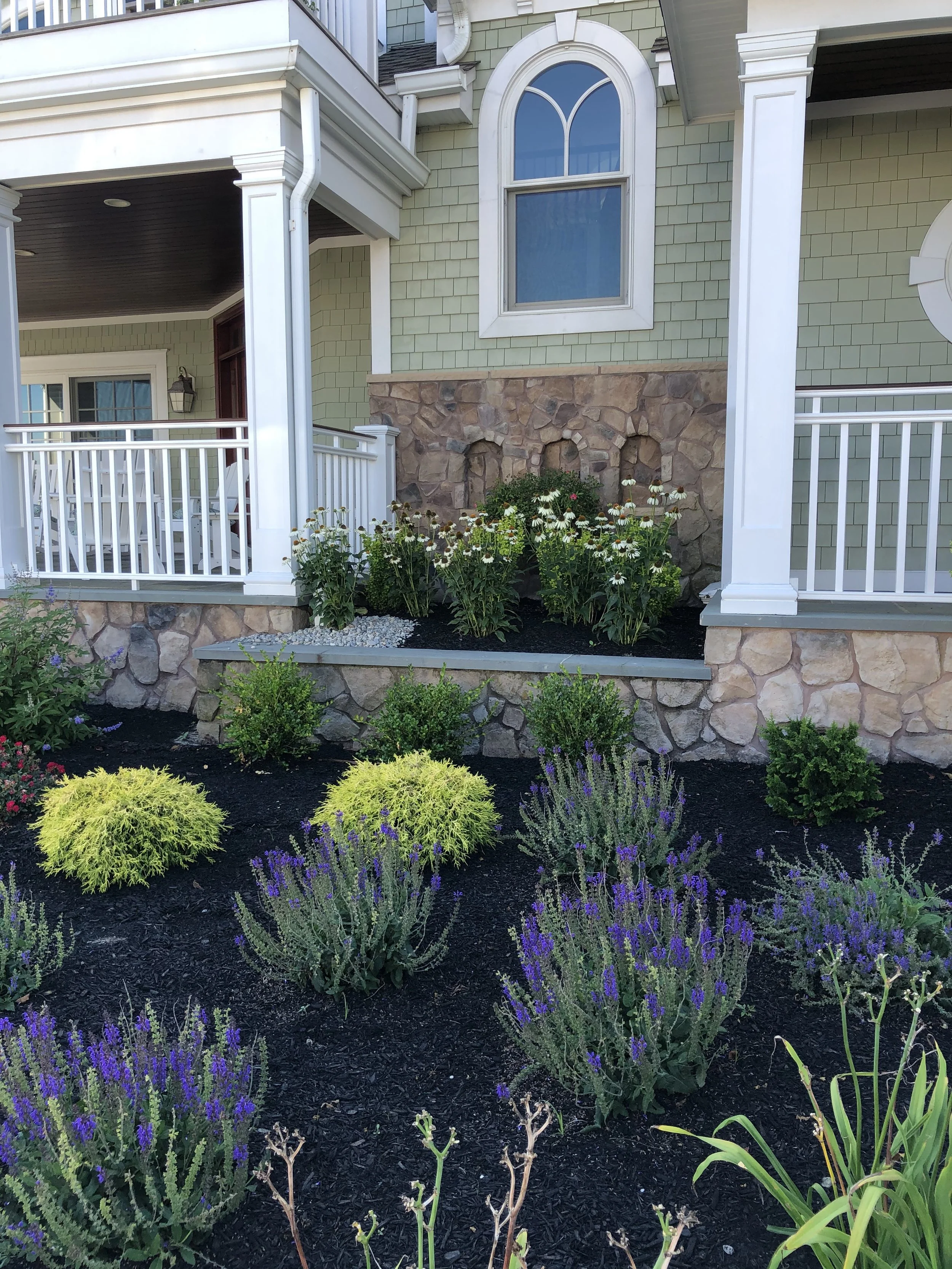
Evaluating properties to decrease impermeable surfaces is a great place to start. Consider porous paving stones for walkways and driveways. They are made of material that allows water to soak into them rather than running off them. Consider diverting gutters into landscaped areas that are designed to absorb water. These can be underground areas that have been specially prepared to drain water quickly or they can be landscaped surface depressions. These so-called rain gardens can significantly reduce runoff from a property. Rain garden plants are colorful and make pleasing landscape features. Reducing or eliminating turf grass is another important step. Turf grass has very shallow roots, requires a lot of water, and is a very poor surface for water infiltration. Replacing turf grass with gardens or even stones will increase the amount of water that can soak into the ground instead of running off.
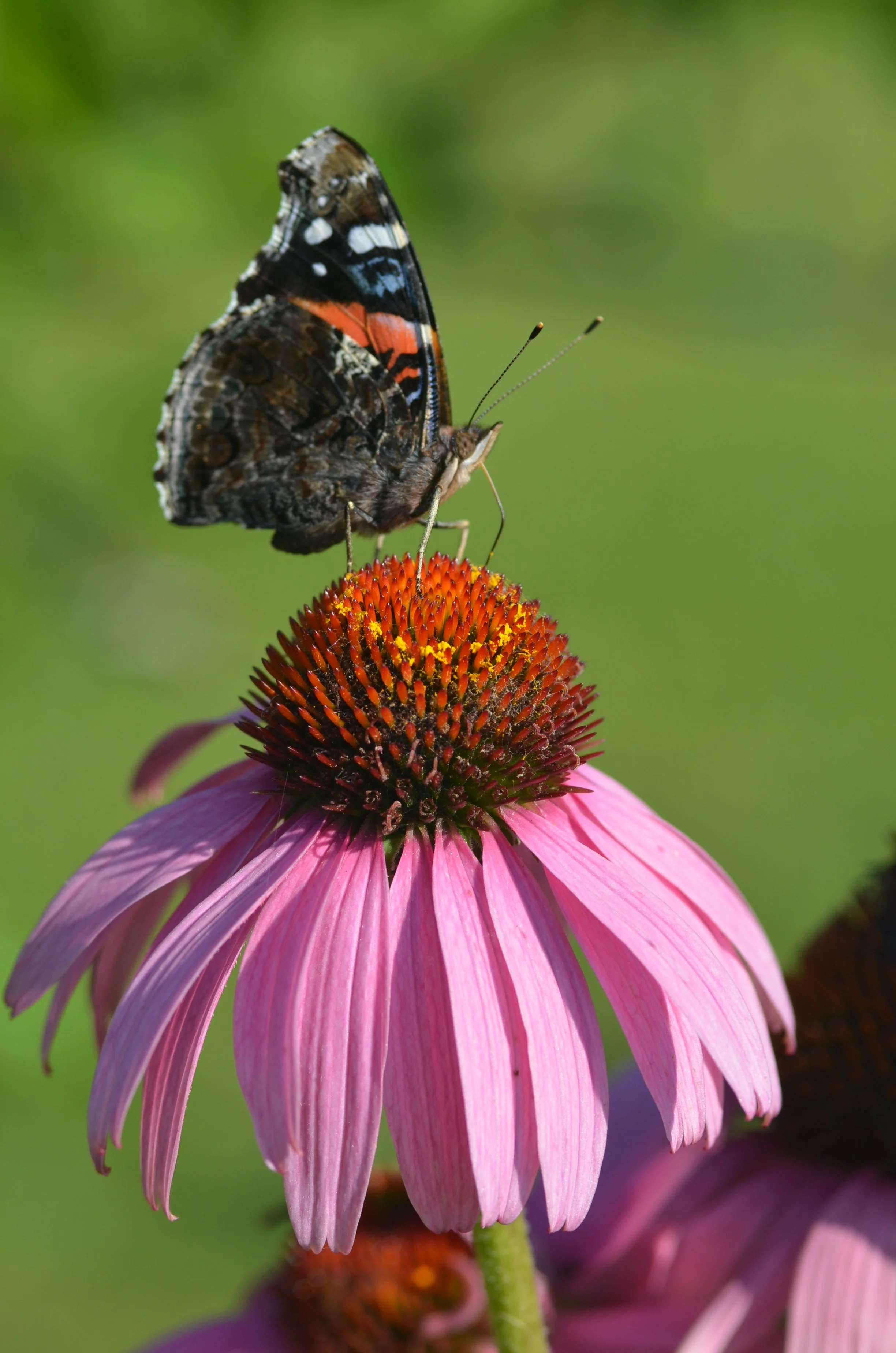
In addition to contributing to island flooding problems, the built environment has contributed to dramatic losses of habitat. Aligning your garden and landscaping to be more natural provides many benefits to you, the island’s wildlife, and the sustainability of our island. Our heavily developed island leaves little room for nature, but this doesn’t need to be the case. Selecting landscaping options that utilize native plants provides a host of additional benefits. Native plants are low water users once they are established. They are adapted to the climate here and thrive without watering. They typically have extensive root systems that help increase the amount of water that soaks into the ground. This is water the plants use to prosper without additional watering while providing the added benefit of helping to reduce runoff that contributes to flooding.
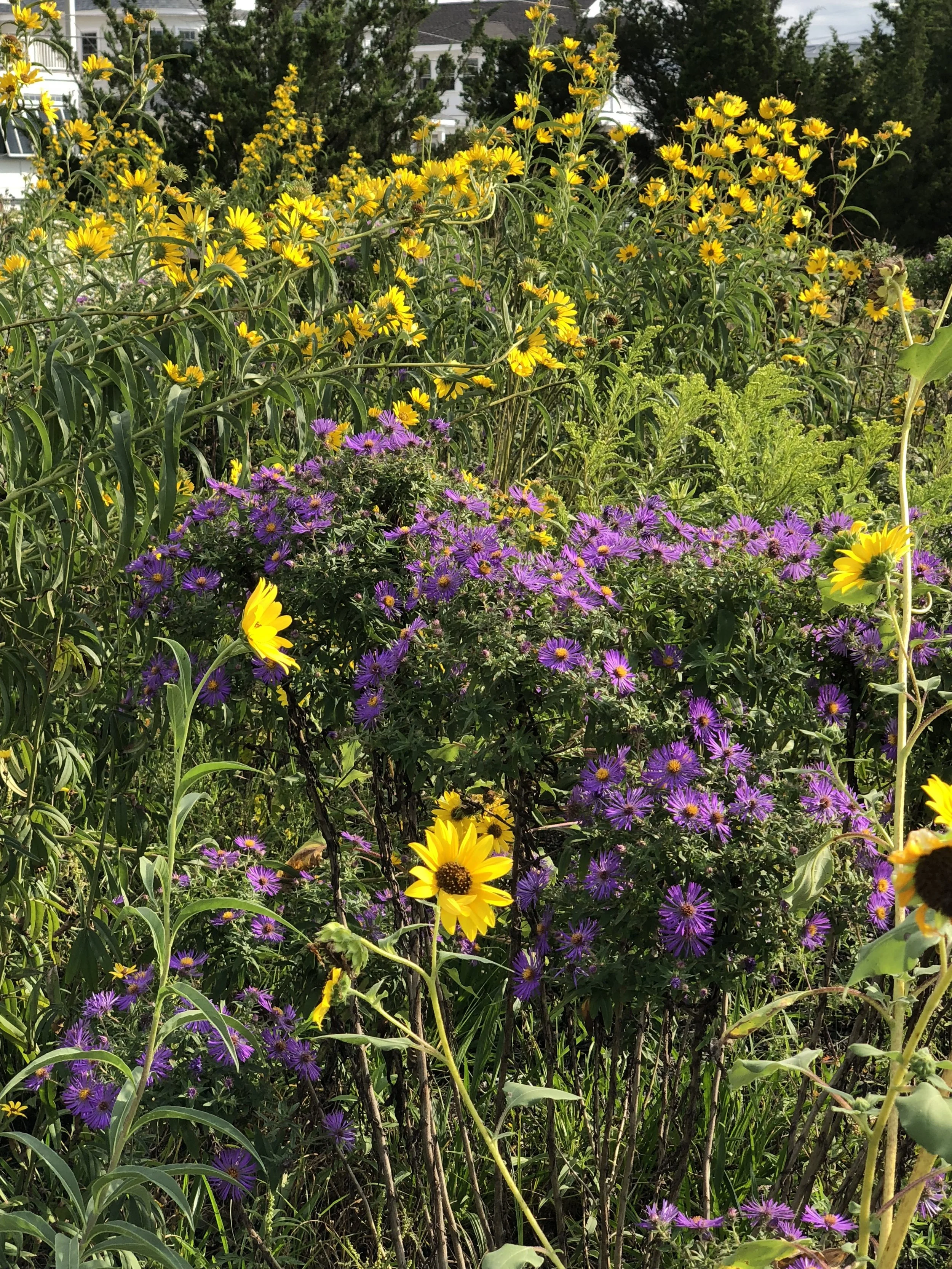
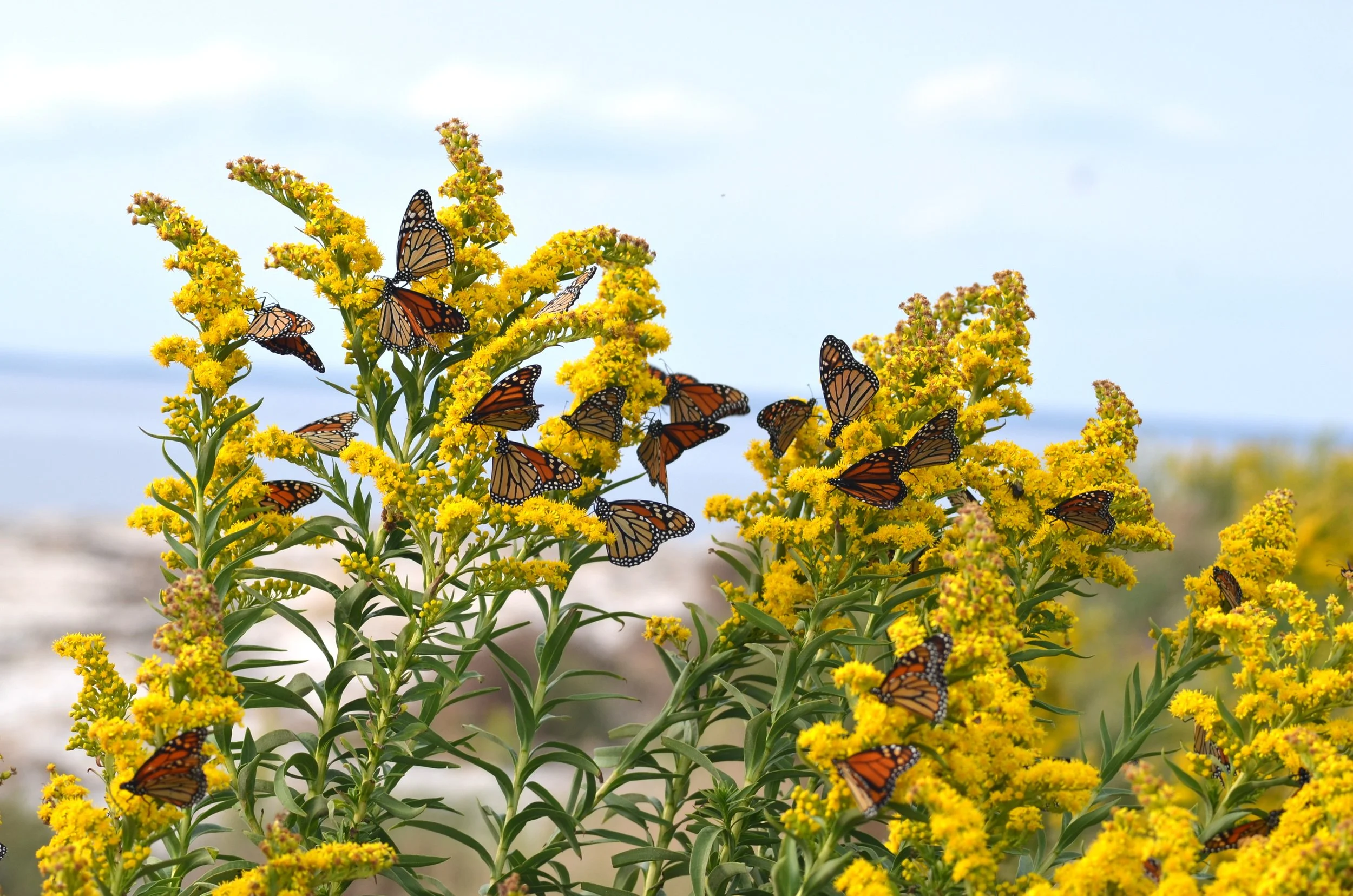
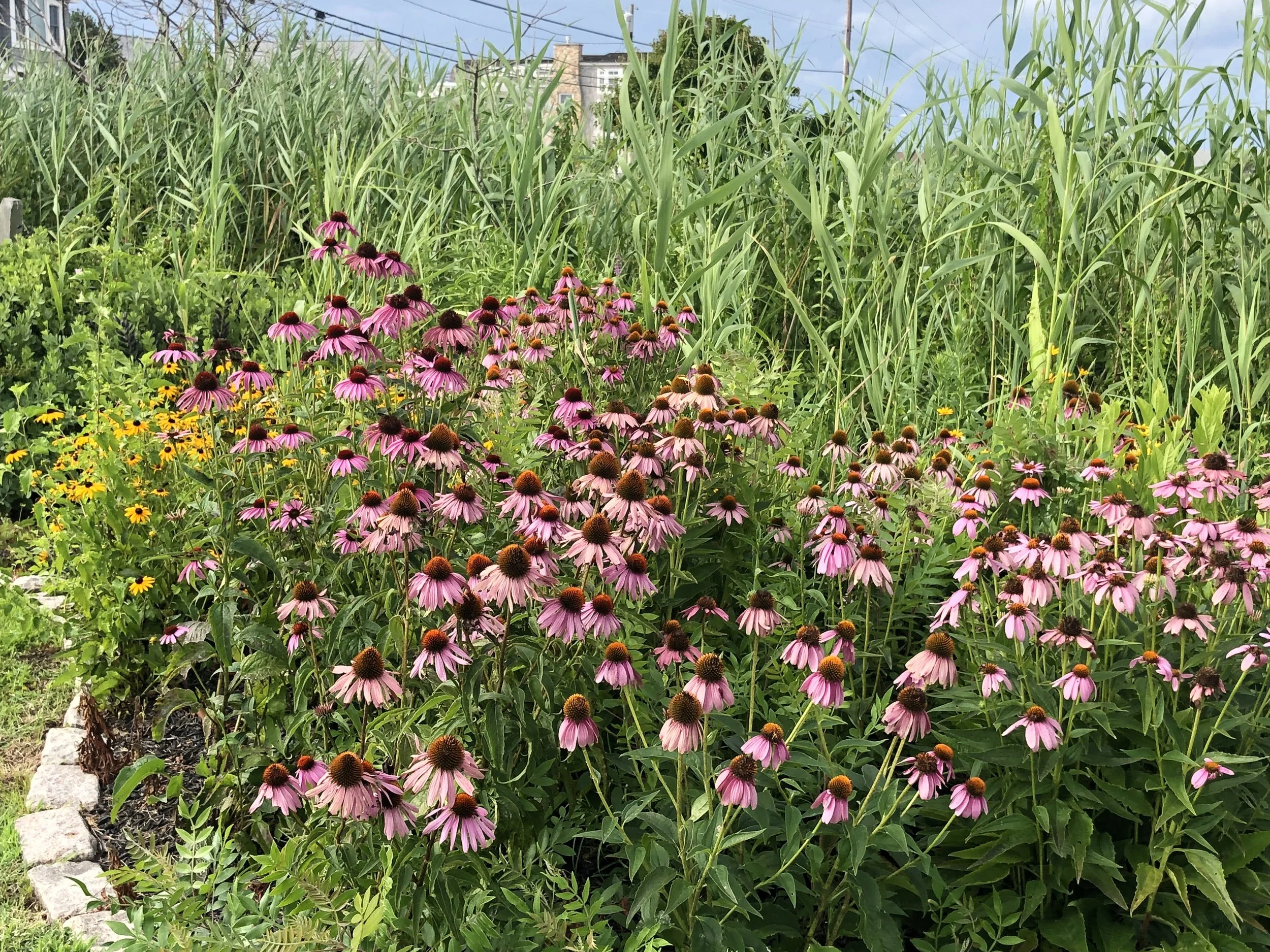
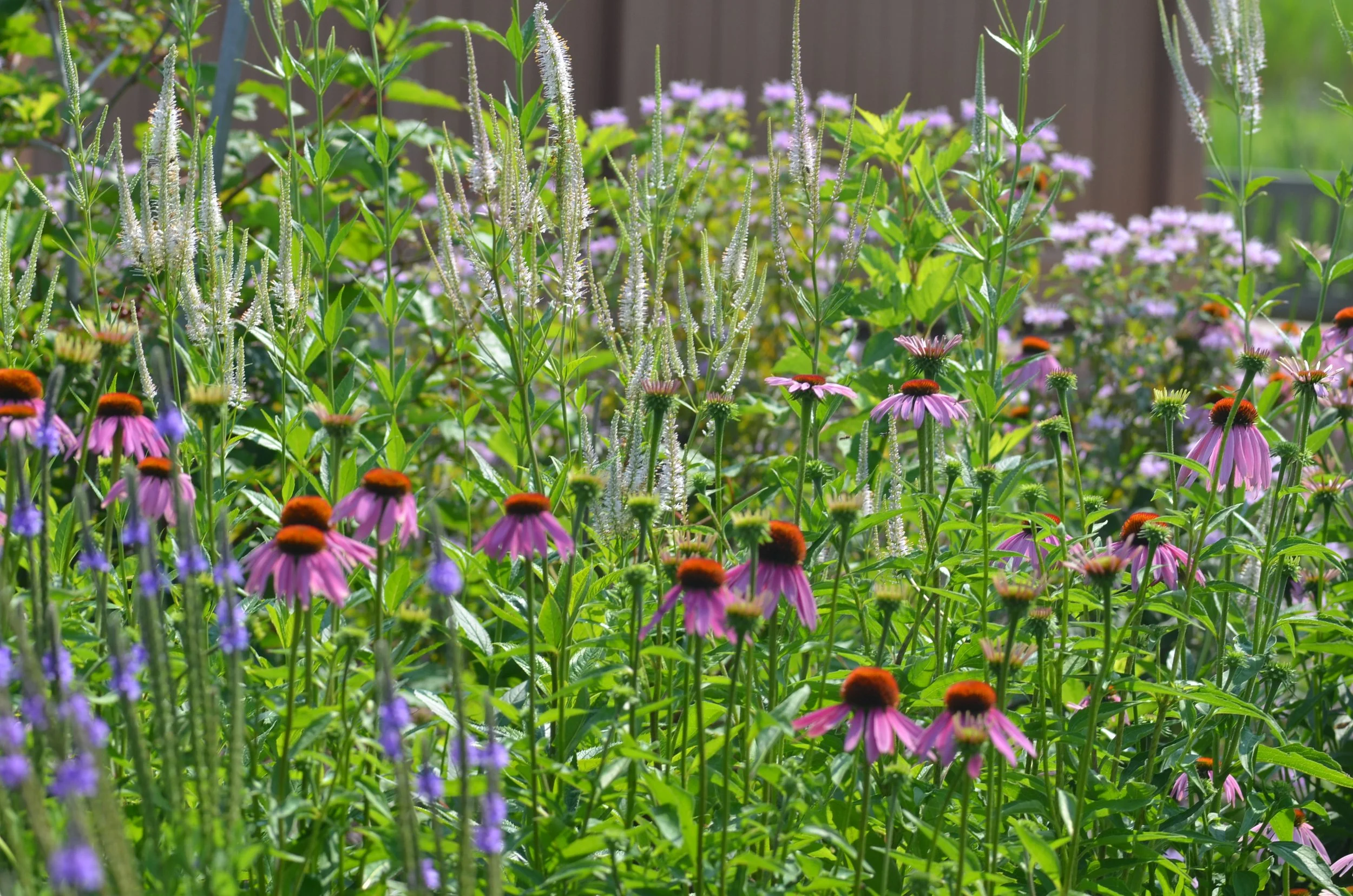
At The Wetlands Institute, we too are taking steps to support sustainability. In the 2025 Holiday issue of Seven Mile Times, I wrote of plans to elevate the Salt Marsh Trail at the institute to reduce flooding. The project is now funded and is planned to be constructed beginning in fall of 2026. The elevation of the trail and restoration of 5 acres of surrounding drowning marsh will involve bringing in clean dredged materials to lift the ground elevation. We will remove non-native vegetation and the dying cedar trees along the trail. Our design plans include replacing lost vegetation through the planting of thousands of native plants, trees, and shrubs. Our scientists have been working with environmental consultants and landscape architects to develop native planting designs that will dramatically improve the wildlife benefits on the Salt Marsh Trail, as well as increase the degree to which it is permeable.
The planting designs are aligned with the different trail and marsh habitats that will be created, and plantings have been selected to provide an array of services for the resident, nesting and migratory wildlife that use them. We have placed an emphasis on providing for the critical needs of songbirds, butterflies, and other pollinators, while ensuring the plants are colorful and interesting.
The overarching plan has been to restore the plants using only native plants that are climate-resilient, and once established, will not require watering. Like with the Scotch Bonnet marsh restoration project, the low marsh area will be allowed to naturally revegetate from the natural seedbank. The high marsh areas will be planted with a mix of flowering plants, grasses, and shrubs. The upland area will be planted with native red cedar trees and native shrubs. We will be expanding the area available for diamondback terrapins to nest and have designed these areas with plant spacing favorable for nest building and with plants that will provide shade, cover, and protection for hatchling terrapins. Identifying suitable plants for the salty ground conditions was challenging, and we plan to document the success of these plantings and approaches so that they can be shared with others working in the challenging conditions adjacent to the bays and impacted by salt spray.
Property landscaping plays an important role in the natural value of Seven Mile Beach, and the choices that each landowner makes collectively have a dramatic impact. Every homeowner can join in the effort to help make Seven Mile Beach more sustainable. A rich and beautiful native plant garden is a place full of life and a great way to contribute to the sustainability and well-being of our island community.